Court Gives Final Approval to Anthropic's $1.5 Billion Author Settlement
A federal judge granted final approval to Anthropic's $1.5 billion settlement with book authors and publishers on July 20, 2026, the largest known copyright settlement in U.S. history. Roughly 500,000 pirated books, about $3,000 per work, and a fair use ruling on AI training that survives intact.
Key Takeaways
- 01
U.S. District Judge Araceli Martínez-Olguín granted final approval on July 20, 2026. It is the largest known settlement of a U.S. copyright case.
- 02
The fund pays about $3,000 per work across an estimated 500,000 books, shared by the authors and publishers who hold the rights, with a reported claims rate of 92.77 percent.
- 03
The June 2025 ruling that training on lawfully acquired books is fair use still stands. What Anthropic paid for was downloading and keeping millions of pirated copies.
- 04
The settlement is not binding precedent: it resolved before any appeal, opt-outs are pursuing separate suits, and parallel cases against other AI labs continue.
Primary Documents
Watch

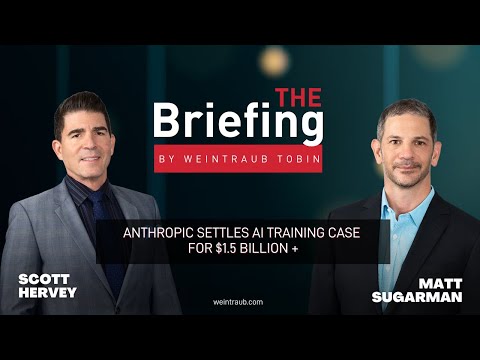
The Ruling Behind It
In June 2025, Judge William Alsup split the case in two: training on books Anthropic had lawfully bought was "quintessentially transformative" fair use, but downloading more than seven million pirated books and keeping them in a central library was infringement. That claim was headed to a trial where the Copyright Act allows up to $150,000 per work for willful infringement (17 U.S.C. § 504(c)). Anthropic settled first. Judge Alsup, now retired, gave preliminary approval in September 2025; Judge Araceli Martínez-Olguín held the fairness hearing on May 14, 2026 and granted final approval on July 20, rejecting objections that the deal was too small. Law.com reported she also cut the requested attorneys' fees by about $86 million.
What It Does Not Settle
- No binding precedent. One district court, resolved before appeal. Other courts can go the other way.
- Opt-outs are still suing. Authors and publishers who declined the deal have their own cases pending.
- The industry question stays open. Training suits against OpenAI, Meta, Google, and Midjourney continue.
Why It Matters
- Pirated training data now has a price: $3,000 per work, at class scale, blessed by a court.
- The split matters more than the payout. Training on lawful copies stands as fair use. The acquisition path is what cost $1.5 billion.
- Provenance is now a balance sheet item. "Where did the corpus come from" is the first diligence question, not a footnote.
Coverage: Reuters · TechCrunch · AAP statement
This article summarizes public court records and contemporaneous news reports. It is not legal advice.