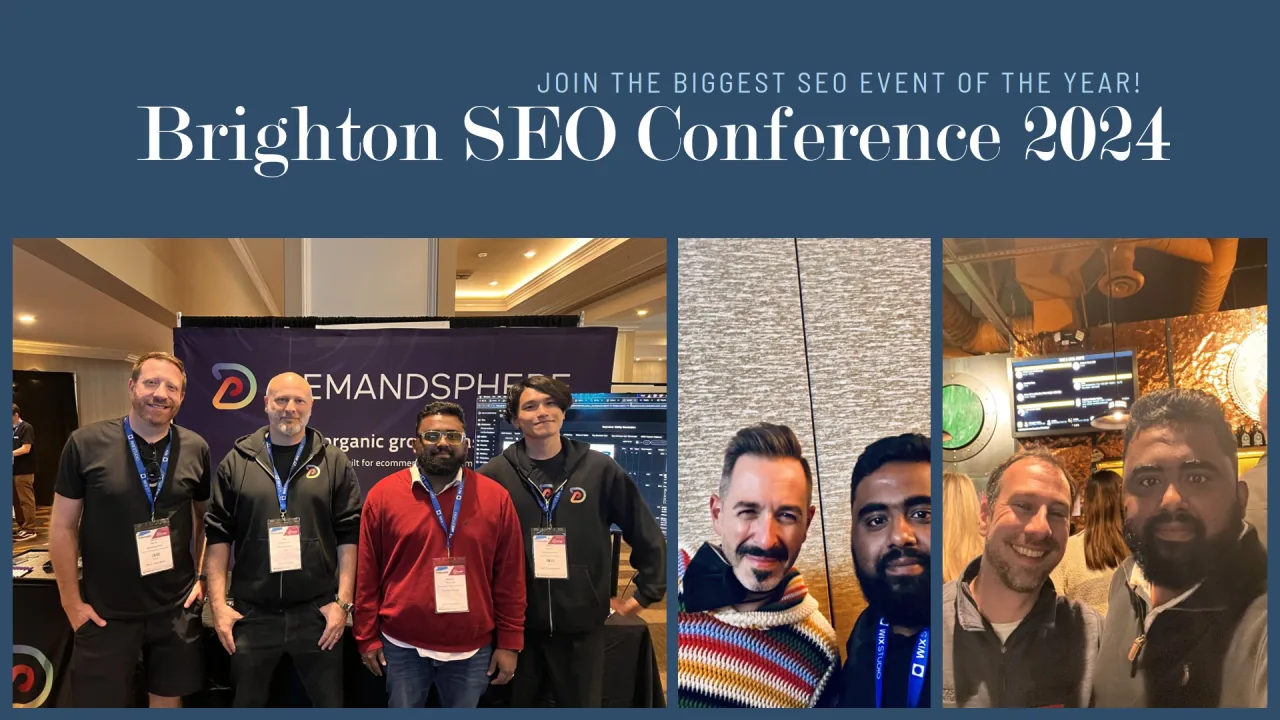
3 Reasons why you need to attend
Its highly impossible to meet 100+ SEO's in one place
Build network, find mentors, meaningful relations. Learn more about tools, technologies ( AI & ML ) and different use cases
Best investment is Invent yourself
Check out Brighton SEO Conference on 23 & 24 Sep, 2025 at Manchester Grand Hyatt San Diego, CA, USA
Note: This is not affiliated link AKA (I don't earn anything from ticket purchases)
Who is Venkata Pagadala ?
Venkata Pagadala is an SEO and Growth Strategist who helps businesses achieve online success through data-driven tactics. Worked on campaigns that generate over 40+ million organic search visits per month, worked with industry leaders like Apartments.com, americanaddictioncenters.org, Rehabs.com, and over 100+ clients globally ( Local and International). Leveraging AI and Machine Learning, he excels in content generation and complex site migrations.
Currently learning about RAG, Multimodal Retrieval-Augmented Generation Ai Agents AND building by site: venkatapagadala.com
Had a pleasure to meet alot of people from SEO community: Eli Schwartz , Samantha Torres, Andrea (cyberandy)Volpini, Tyson Stockton, Noah learner, ( Thanks for Boardwalk Bash ), Anurag Singhal, Jon Muranko, Paul Andre (DRE) de Vera. Check out SEO Video Show, Patrick Stox
Missed meeting with Nick LeRoy . Check Out: https://www.seojobs.com/, Wil reynolds
Brighton SEO - San Diego 2024 - Table WIP
Note: I am working on table | Speaker | Topic | Slides | Connect aka LinkedIn | Company |)
https://docs.google.com/spreadsheets/d/1Em3ZttYjUqokJw0sByKZyAaUXmhdOMT3mmdTC-ESTAw/edit?usp=sharing
Note: I will update the article soon. This is a big event, so hard to do everything in once and any contribution are most welcomed ( Notes, Videos or Audios are super helpful )
Rand Fishkin from SparkToro,
https://www.linkedin.com/in/randfishkin/
I learned a lot from this Him & Absolutely Fan Moment and thank parth suba for contributions.
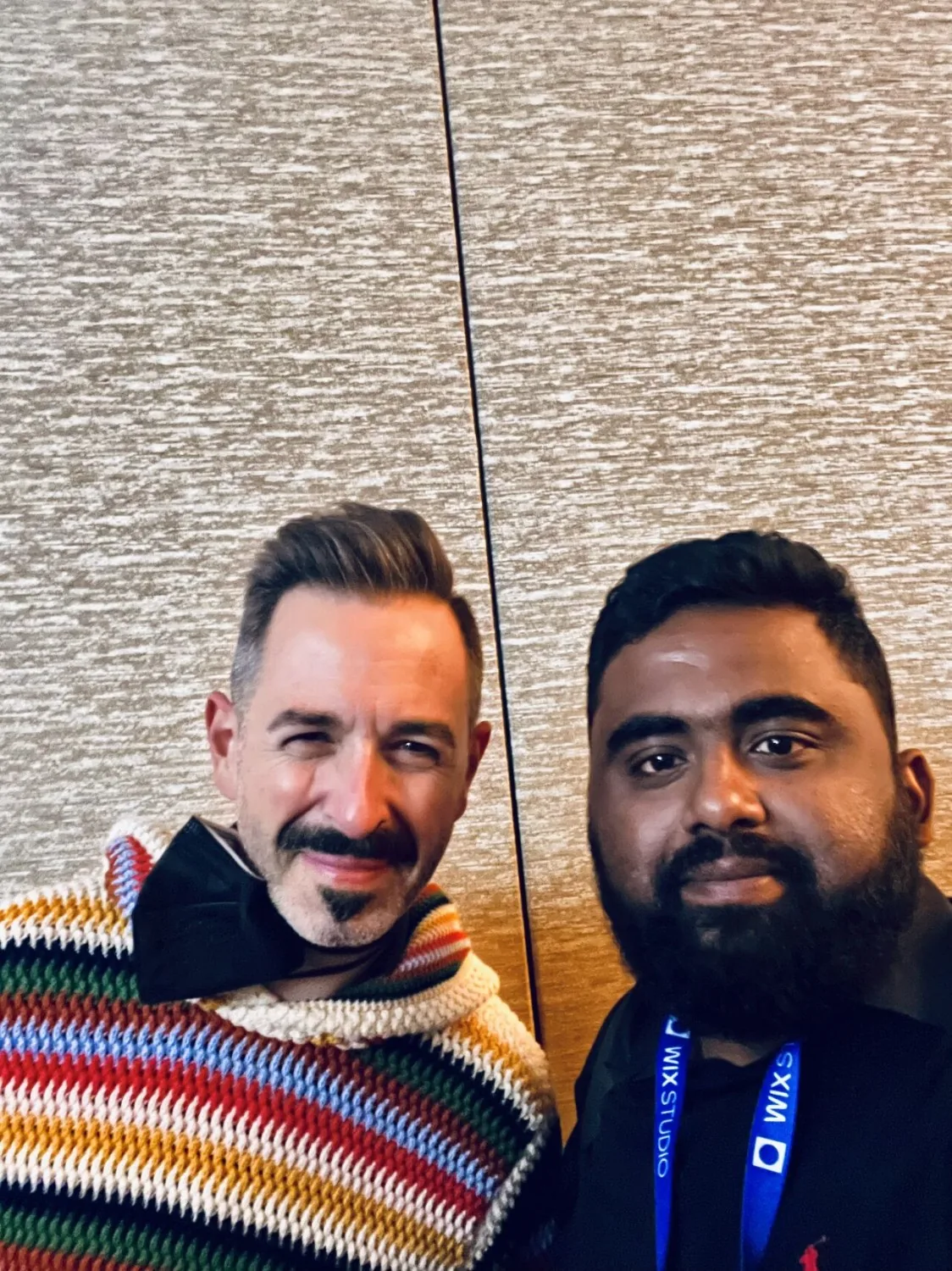
Understanding the Shifts in Digital Marketing: Insights from Rand Fishkin at Brighton SEO San Diego 2024
Attended an great session by Rand Fishkin, co-founder of SparkToro, at BrightonSEO San Diego 2024. Rand delved deep into the current state of digital marketing, challenging common perceptions and presenting data-driven theories on why marketing has become increasingly challenging.
Key Theories and Findings:
1. COVID-19 Accelerated Digital Growth Temporarily
Theory: The pandemic shifted anticipated organic growth in digital engagement to 2020-2021, causing a plateau afterward.
Data Support: Worldwide internet growth spiked during the pandemic but slowed down subsequently.
Internet Adoption: Saturation in wealthy countries, with future growth expected primarily in Asia and Africa.
Time Spent Online: Reached maximum levels; people have limited additional time to spend online.
2. Economic Factors Aren't Hindering Marketing Success
Theory: Contrary to popular belief, the economy isn't the primary reason marketing feels harder.
Data Refutation: Consumer Spending: Remains robust in both B2B and consumer sectors.
GDP Growth and Unemployment: Healthy GDP growth and historically low unemployment rates.
Wages vs. Inflation: Wages have outpaced inflation in recent years.
Bankruptcy Filings: At lower levels compared to previous years.
Global Advertising Spend: Continues to grow, indicating sustained investment in marketing.
3. Social Media Reach and Engagement are Declining
Theory: Organic reach and engagement on major social platforms are decreasing.
Evidence: Declining Engagement Rates: Median reach per post is dismal across platforms like Facebook, Instagram, and Twitter.
Zero-Sum Growth: Growth of platforms like TikTok and Reddit comes at the expense of others. New Platforms: Emerging platforms like Threads and Bluesky are growing but require attention to gain traction.
Exception: Email Marketing Consistency Over Time: Open and click-through rates for email have remained stable since 2005.
Reliability: Email continues to be a dependable channel for reaching audiences.
4. AI and Large Language Models Aren't Replacing Google Search
Theory: Despite the growth of AI platforms like ChatGPT, they aren't significantly cannibalizing Google Search's market share.
Data Insights:Usage Comparison: ChatGPT's search volume is a fraction of Google's.
Google Search Stability: Searches per user on Google remain steady or have increased.
Traffic Referral: The majority of web traffic still originates from Google Search.
5. The Dominance of Zero-Click Searches on Google
Theory: A significant portion of Google searches result in no clicks to external websites.
Data Highlights: Zero-Click Searches: Approximately 37% of searches result in no click.
Clicks to Websites: Only about 36% of searches lead to clicks on non-Google-owned websites.
Implications: Marketers face challenges in driving traffic from search results due to Google's ecosystem retaining users.
6. Building on 'Rented Land' Is Becoming Necessary
Theory: Marketers should consider engaging audiences directly on platforms they don't own (e.g., social media) due to diminishing organic reach elsewhere.
Rationale:Influence Over Traffic: Emphasizes the importance of brand influence even without direct website traffic.
Content Consumption: Users spend significant time on social platforms, consuming content without necessarily clicking through.
7. Evolving Buyer Journeys
Theory: Traditional buyer journeys have shifted; consumers now often consume content and make decisions without direct website interactions.
Data Support:
Search Intent Analysis:Navigational Searches: Constitute about 32% of searches.Informational Searches: Make up roughly 50%.
Commercial and Transactional Searches: Only about 15%.
Topic Distribution: Entertainment and informational content dominate search queries.
Long-Tail Keywords: A vast number of unique, low-volume searches indicate diverse user interests.
Actionable Takeaways:
Diversify Beyond Traffic Acquisition:
Embrace Multiple Channels: Relying solely on search traffic is limiting; explore social media, email, and other platforms for audience engagement.
Focus on Influence: Prioritize brand influence and awareness over direct traffic metrics.
Reevaluate KPIs:
Move Beyond Traffic Metrics: Understand that traffic does not directly correlate with revenue or influence.
Adopt Non-Traffic KPIs: Measure success through engagement, brand searches, and social visibility.
Leverage Zero-Click Content:
Native Platform Engagement: Create content optimized for in-platform consumption on social media to maximize reach.
Avoid Over-Reliance on Links: Posts without external links often achieve higher engagement rates.
Understand Your Audience's Attention Habits:
Conduct Audience Research: Identify where your target audience spends time and tailor content for those platforms.
Use Tools for Insights: Utilize platforms like SparkToro or SimilarWeb to gain insights into audience behaviors.
Build Correlation Dashboards:
Track Multi-Channel Impact: Correlate social engagement, brand mentions, and other metrics with conversions and revenue.
Data-Driven Decisions: Use insights to inform strategy and demonstrate value to stakeholders.
Final Thoughts
Rand Fishkin highlighted the necessity for marketers to adapt to the evolving digital landscape. With the saturation of internet usage and shifts in consumer behavior:
Influence Over Traffic: The emphasis should be on influencing audiences where they are, even if it doesn't lead to immediate website traffic.
Embrace Zero-Click Marketing: Accept that not all valuable interactions result in clicks; focus on brand presence and engagement within platforms.
Adapt to Changing Buyer Journeys: Recognize that consumers' paths to purchase are non-linear and often occur without direct website interactions.
By broadening strategies and focusing on where audiences truly engage, marketers can navigate the challenges of the current digital environment and achieve meaningful results.
#BrightonSEO #DigitalMarketing #RandFishkin #ZeroClickMarketing #SEOInsights
I had opportunity to meet SEO Sass companies: Wix DemandSphere , JetOctopus.com ( Virtually ), Nozzle , Screaming Frog, Ahrefs ( Sorry I wasn't able to meet all )
All Sponsors - https://brightonseo.com/events/april-2025/sponsors
Martha van Berkel from Schema App
Michael King from iPullRank, AIPRM
Hosted by Tyson Stockton from Previsible

Navigating the Future of SEO: Insights from the Voice of Search Podcast at BrightonSEO San Diego 2024
Attended the first live recording of the Voice of Search podcast at BrightonSEO San Diego 2024, hosted by Tyson Stockton (Co-Founder at Previsible). The panel featured industry experts:
The session delved into three main categories:
How SEO is Evolving
Shifting Competitive Landscapes
Essential Skill Sets for Future Success
Key Highlights and Takeaways:
1. The Future Dominance of Google
Michael King's Perspective: Google's Unassailable Position:
Believes Google will remain the fundamental search engine in the next five years due to its vast data and resources.
Data Advantage: Google's 13 months of click data equals 17 years of Bing's data.
Jordan Koene's Counterpoint:
Emerging Competition: Predicts a significant shift with competitors like OpenAI and verticalized search platforms challenging Google's dominance.
Market Share Erosion: Highlights that Google is losing market share in specific areas like product search (e.g., Amazon holds 77% of product search in the U.S.).
Verticalized Search Experiences: Anticipates growth in niche search tools catering to specific industries (e.g., healthcare, automotive).
Martha van Berkel's Insight:
Fracturing of Search: Emphasizes that consumers will gravitate towards platforms offering the best experience, leading to a diversification beyond traditional search engines.API World Revival: Foresees a resurgence of API-driven experiences enhancing productivity and personalization.
2. The Impact of AI and Changing Tactics
AI's Role in Search:
Integration with Search: AI and large language models (LLMs) are influencing how search results are generated and presented.
What is RAG (Retrieval Augmented Generation) and Importance to Understand- I made a video, check out and share your inputs
Generative AI: Discussion on how generative AI might not replace traditional search but will augment it.
Shifting Tactics:
Structured Data Importance: Emphasis on the role of structured data and knowledge graphs in enhancing visibility, especially with AI-driven search results.
Content Strategy Evolution: Need for unique, high-quality content that stands out in an AI-influenced ecosystem.
SEO Skillset Transformation:
Data Architecture Understanding: SEOs need to grasp data structures and relationships (e.g., knowledge graphs) to optimize for AI.
Curiosity and Continuous Learning: Encouraged to ask 'why' and understand the business and technological reasons behind changes in the industry.
Collaboration Across Departments: Working closely with content teams, data architects, and other stakeholders to create cohesive strategies.
3. Preparing for the Future Landscape
Adaptability is Key:
Embracing Change: SEOs must be open to evolving tactics and strategies in response to technological advancements.
Expanding Roles: Future SEO roles may encompass AI management, data analysis, and more.
Strategic Thinking Over Tactics:
Asking the Right Questions: Move beyond checklists to understanding the broader business objectives and how SEO fits within them.
Creativity and Innovation: Develop creative solutions rather than relying solely on traditional tactics.
Tools and Technologies:
AI Integration: Leverage AI tools for content creation, data analysis, and optimization.
Monitoring New Platforms: Stay informed about emerging search platforms and technologies (e.g., ChatGPT, Bing's integrations).
4. The Evolving Role of SEOs
From Tacticians to Strategists:
Business Alignment: SEOs should align their efforts with the company's strategic goals.
Enhanced Communication Skills: Ability to articulate the value of SEO initiatives to executives and other departments.
Lifelong Learning:
Stay Informed: Keep up with industry changes, technological advancements, and evolving best practices.
Skill Development: Invest in learning about AI, data science, and other relevant fields.
5. Audience Questions and Discussions
Blocking AI Crawlers:
Consensus: Generally not advisable to block AI from accessing site content, as it can limit visibility in AI-driven search results.
Brand Visibility: Being present in AI responses is crucial for maintaining mindshare.
Measurement and Reporting:
Beyond Traditional Metrics: Incorporate social search, video search, and other platforms into SEO analysis as they become more relevant.
Focus on Conversions: Ultimately, the impact on business outcomes is the most important metric.
Final Thoughts
The session highlighted the dynamic nature of SEO and the importance of adaptability. While Google's dominance is debated, the consensus is that the search landscape is diversifying due to AI and changing consumer behaviors.
SEOs are encouraged to:
Embrace Change: Be proactive in learning and adapting to new technologies.
Think Strategically: Align SEO efforts with broader business goals and be innovative in approach.
Develop New Skills: Focus on understanding AI, data structures, and enhancing soft skills like communication and strategic thinking.
By staying informed and adaptable, SEOs can navigate the evolving landscape and continue to drive value in their organizations.
#BrightonSEO #SEO #AI #DigitalMarketing #VoiceOfSearch
Wil Reynolds from Seer Interactive
https://www.linkedin.com/in/wilreynolds/
https://info.seerinteractive.com/taking-action-from-digital-strategy-to-real-world-impact-2024
Embracing Change in SEO: Insights from Wil Reynolds at BrightonSEO San Diego 2024
Attended a thought-provoking session by Wil Reynolds, founder of Seer Interactive, at BrightonSEO San Diego 2024. Wil challenged the traditional approaches to SEO, emphasizing the need for SEOs to evolve from mere tacticians to strategic thinkers who focus on providing answers and building genuine connections.
Wil's Commitment to Social Causes
In addition to his professional insights, Wil shared his personal commitment to social responsibility. He participates in an annual sleep out in Philadelphia to raise awareness and funds for homeless youth. He encouraged attendees to contribute to the cause, highlighting the importance of supporting those less fortunate.
Key Themes and Takeaways:
1. The Imperative to Wake Up and Adapt
SEO as an Answers Business:
Wil reiterates that SEOs have always been in the business of providing answers, not just optimizing for search engines.
Emphasizes the need to pivot and focus on delivering genuine value to users.
Friction in Traditional Search:
Inefficiencies in Search Experiences: Users face numerous obstacles like irrelevant results, ads, and poor user experiences on websites.Examples include difficulty finding specific car models or being bombarded with pop-ups and sign-up requests.
Comparison with AI-Powered Answers:AI platforms like ChatGPT provide concise, direct answers without the clutter and friction of traditional search results.Encourages embracing AI as a tool to enhance user experience by reducing friction.
2. The Decline of Traditional SEO Practices
Over-Reliance on Checklists and Tactics:
SEOs have become complacent, focusing on minor optimizations rather than innovative strategies.
The "sea of sameness" where content and strategies are replicated without adding unique value.
The Google Monopoly's Impact:
Google's dominance has led to a lack of innovation and testing among SEOs.
Search results are cluttered with ads and irrelevant content, diminishing user trust.
3. The Rise of Social and Human-Centric Platforms
Humans Prefer Human Recommendations:
Platforms like LinkedIn, Reddit, and private messaging apps are growing because people value human interactions and recommendations.
Building relationships and community engagement are more effective than traditional link-building strategies.
The Importance of Building Fans:
Fans Over Traffic:Focusing on creating valuable content that resonates with the audience leads to loyal followers who trust and promote your brand.
Distribution Through Relationships:Leveraging personal networks and genuine connections amplifies reach and influence.
4. Metrics That Matter
Re-evaluating Success Metrics:
Traditional metrics like organic traffic and rankings are less indicative of actual success.
Quality Over Quantity:A smaller, engaged audience is more valuable than a large, unengaged one.
Engagement and Conversions:Emphasizes tracking metrics like newsletter sign-ups, social shares, and direct engagement.
Case Studies and Personal Insights:
Shared examples where increased traffic did not correlate with increased engagement or revenue.
Highlighted how content that received fewer visits but higher engagement led to more meaningful outcomes.
5. Leveraging AI and Social Platforms Strategically
Embracing AI for Better User Experiences:
AI can provide more accurate, frictionless answers, improving user satisfaction.
SEOs should adapt by optimizing for AI-driven search and answer platforms.
Building Authority in AI Platforms:
Brands need to ensure they are accurately represented in AI-generated answers.
This involves creating high-quality, authoritative content that AI platforms recognize as valuable.
Using Social Platforms for Distribution:
Personal brands and employee advocacy can significantly enhance reach.
Company pages have limited impact compared to individual thought leaders within the organization.
Actionable Strategies:
Shift Focus from Traffic to Engagement: Prioritize content that fosters engagement and builds a loyal audience. Measure success through meaningful interactions rather than sheer volume.
Invest in Building Personal Brands: Encourage team members to develop their personal brands on platforms like LinkedIn. Leverage these personal networks for greater content distribution and influence.
Leverage AI Platforms: Optimize content for AI-driven search engines and answer platforms. Ensure your brand is accurately represented in AI-generated responses.
Enhance Content Quality and Uniqueness: Move away from generic, keyword-stuffed content. Provide unique insights, expert opinions, and valuable answers that stand out.
Engage in Social Listening and Community Participation: Actively participate in relevant online communities and discussions. Use these platforms to understand audience needs and tailor content accordingly.
Test and Innovate: Return to the roots of SEO by experimenting with new strategies and testing outcomes. Be willing to take risks and learn from failures to drive innovation.
Final Thoughts
Will Reynolds advocates for a significant shift in how SEOs approach their work. The emphasis is on:
Human-Centric Strategies: Building genuine relationships, providing real value, and engaging authentically with audiences.
Quality Over Quantity: Focusing on meaningful metrics that align with business goals rather than vanity metrics.
Adapting to Technological Changes: Embracing AI and evolving platforms to stay ahead in the rapidly changing digital landscape.
By refocusing efforts on these areas, SEOs can not only improve their effectiveness but also future-proof their strategies in an environment where traditional tactics are becoming less impactful.
#BrightonSEO #SEO #WilReynolds #DigitalMarketing #HumanCentricSEO
Philip Mastroianni from Homes.com
Unlocking Google's Indexing Secrets: Insights from Philip Mastroianni at BrightonSEO San Diego 2024
Just attended Philip Mastroianni's enlightening session at BrightonSEO San Diego 2024, and it's a game-changer for anyone looking to improve their website's indexing and crawl budget. 🚀
Philip shared practical strategies on how he got his site indexed in about 90 days, emphasizing that simply building a website isn't enough - we need to optimize effectively to ensure Google can find and index our pages.
Key Highlights and Takeaways:
Solid Site Architecture: Establish a clear URL structure and hierarchy to help Google understand and navigate your site efficiently.
Consistent URL Patterns: Use logical and consistent naming conventions across your site. For locations, decide on a format (e.g., "California" vs. "CA") and stick with it.
Effective Internal Linking: More internal links to a page can significantly increase its crawl rate. Aim for quality over quantity - 50-60 well-placed links can boost crawling frequency.
Avoid Wasting Crawl Budget:
Redirects and Errors: Eliminate unnecessary redirects and fix error pages to prevent Google from wasting resources.
Correct Canonical URLs: Ensure your canonical tags point to the correct pages to avoid confusing search engines.
Minimize Crawl Traps: Remove or manage URL parameters that can lead Google into infinite loops.
Quality Content Matters:
Balance Length and Clarity: Longer content isn't always better. Focus on clear, concise information that matches user intent.
Align Content with Hierarchy: Ensure your content fits within your site's structure - detailed content on product pages, broader topics on category pages.
Optimize Site Speed: Faster sites get crawled more often. Monitor your site's response time and work on improving Core Web Vitals.
Utilize Sitemaps Effectively:
XML Sitemaps: Follow Google's guidelines - keep them under 50MB and 50,000 URLs, use accurate last modified dates, and organize them logically.
HTML Sitemaps: Provide an alternate navigation path for users and search engines, aligning with your site's hierarchy.
Monitor and Analyze:
Server Logs: Regularly check your server logs to understand how Google crawls your site and identify any issues.
Use the Right Tools: Leverage tools like Screaming Frog and Botify to visualize site structure and analyze crawling behavior.
Final Thoughts
Optimizing for indexing and crawl budget is crucial, especially for large-scale websites. Philip's insights highlight the importance of a well-structured, fast, and user-friendly site that communicates effectively with search engines.
Let's take these strategies and apply them to our own projects to enhance visibility and performance on Google.
#BrightonSEO #SEO #Indexing #CrawlBudget #DigitalMarketing
Ross Hudgens from Siege Media
Maximizing Content Performance: Insights from Ross Hudgens at BrightonSEO San Diego 2024
Attended Ross Hudgens' informative session at BrightonSEO San Diego 2024, where he shared valuable strategies for enhancing content marketing, particularly for mid to large-sized companies. 📈
With over 15 years in SEO and 12 years with Siege Media, Ross distilled his extensive experience into actionable advice covering content strategy, keyword research, content creation, and distribution.
1. Content Strategy and User Experience
Sticky Navigation with Call-to-Action (CTA):
Implement a sticky navigation bar with a contrasting CTA button to increase conversions.
Siege Media saw a 39% increase in goal conversions after making this change.
Optimized Hero Images:
Transition from large hero images to smaller ones for faster load times and improved Core Web Vitals.
This change led to improved engagement metrics and a 10% increase in organic traffic.
Enhanced Related Content Links:
Expand post-content related links from 3 to 6 (or more) to improve user engagement.
Ensure these links are highly relevant and curated to the content.
Resulted in increased time on site and a potential boost in organic traffic.
Internal Linking and Site Navigation:
Maintain consistent internal linking by including the blog or content section in the main navigation.
Aim for at least 2% of internal links pointing to your content section to enhance visibility and performance.
Use direct links rather than hiding content in dropdown menus or footers.
2. Keyword Research and Audience Understanding
Audience-Centric Keyword Research:
Shift from relying solely on keyword tools to conducting audience research to identify relevant topics.
Focus on low-search-volume keywords that are highly relevant and less competitive.
Competitor and Comparison Content:
Create content that compares your products/services with competitors (e.g., "Company A vs. Company B").
Even with low search volumes, such content can drive significant qualified traffic and conversions.
Utilizing Organic Link Score:
Use metrics like Ahrefs' Keyword Difficulty to gauge the potential for earning organic links.
Target keywords with lower difficulty and higher link intent for better performance.
3. Content Creation and Optimization
First-Party Data Integration:
Leverage proprietary data in your content to provide unique value and insights.
Repurpose this data across multiple content pieces to enhance differentiation and authority.
Improved Content Introductions:
Use the APPB formula (Attention, Proof, Preview, Benefit) for compelling introductions.
This approach can increase reader engagement and time on page.
Visual Enhancements:
Incorporate custom images and multimedia elements where relevant.
Optimize images for SEO by targeting keywords that trigger image results in SERPs.
Content Templates and Formatting:
Utilize content templates that reflect the final web layout to streamline the content creation process.Ensure content is scannable with appropriate headings, bullet points, and concise paragraphs.
4. Content Distribution and Link Building
Strategic Outreach:
Move away from mass outreach tactics due to diminishing returns.
Focus on quality over quantity, targeting specific opportunities where outreach can make a significant impact.
Website Architecture for Distribution:
Feature important content prominently on your website to naturally attract traffic and links.
Use homepage features, top navigation, and highlighted sections to showcase valuable assets.
Leveraging Trends and Statistics:
Create and promote statistics or trends content, positioning your data prominently to attract backlinks.
Such content can become a reference point, earning organic links over time.
Final Thoughts
Ross Hudgens emphasized the importance of continuous iteration and learning in content marketing. By focusing on user experience, strategic keyword targeting, high-quality content creation, and smart distribution methods, businesses can significantly enhance their content performance.
These strategies are especially crucial in today's competitive landscape, where understanding your audience and providing genuine value are key to standing out.
Let's apply these insights to drive better results in our own content marketing efforts!