Here are the top 10 important points from Improving your SEO with conceptual models - Mark Williams-Cook
Video: https://www.youtube.com/watch?v=_AQ9UDqES80
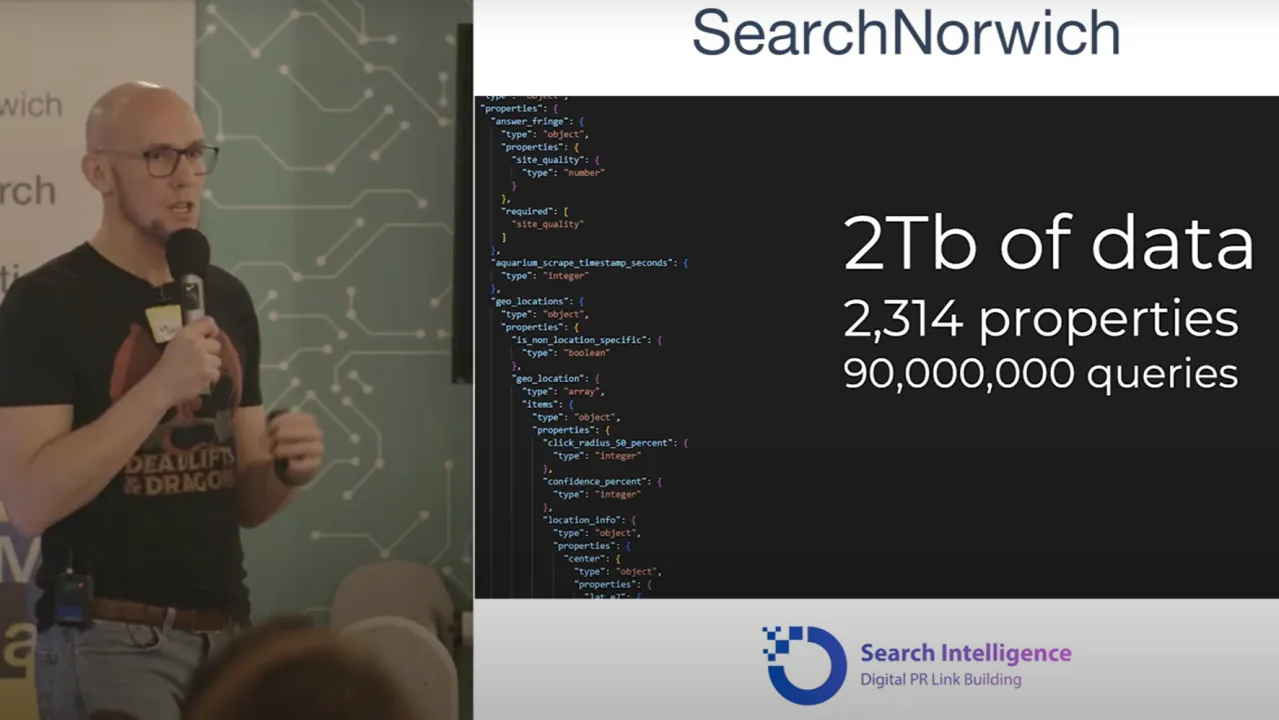
Image Credits: searchnorwich.org
Topics Discussed
Conceptual Models for SEO
Google's Optimization Goal
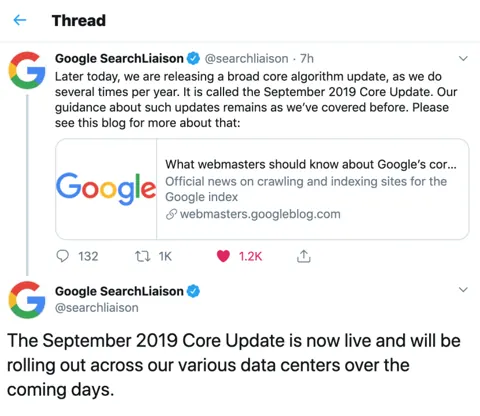
Algorithm Updates and the Meta
Site Quality Score (I loved this one - Talks about how brand matters for SEO)
AI Content and the Site Quality Problem
Google Predicts Click Probability
Impact of the Helpful Content Update
SEO Game Strategy
Conceptual Models for SEO
Advanced SEO is about building conceptual models - stitching together knowledge of how search works to understand what drives rankings, rather than focusing solely on individual tactics.
Google's Optimization Goal
While Google tells SEOs to create "helpful content," it's real goal balances relevance with its need to make vast amounts of money. The resulting algorithm reflects this dual target.
Algorithm Updates and the Meta
Google’s updates are like a “meta” in gaming: SEOs identify what works (the meta), exploit it, and Google changes the rules to realign results. This cycle repeats continuously.
Site Quality Score
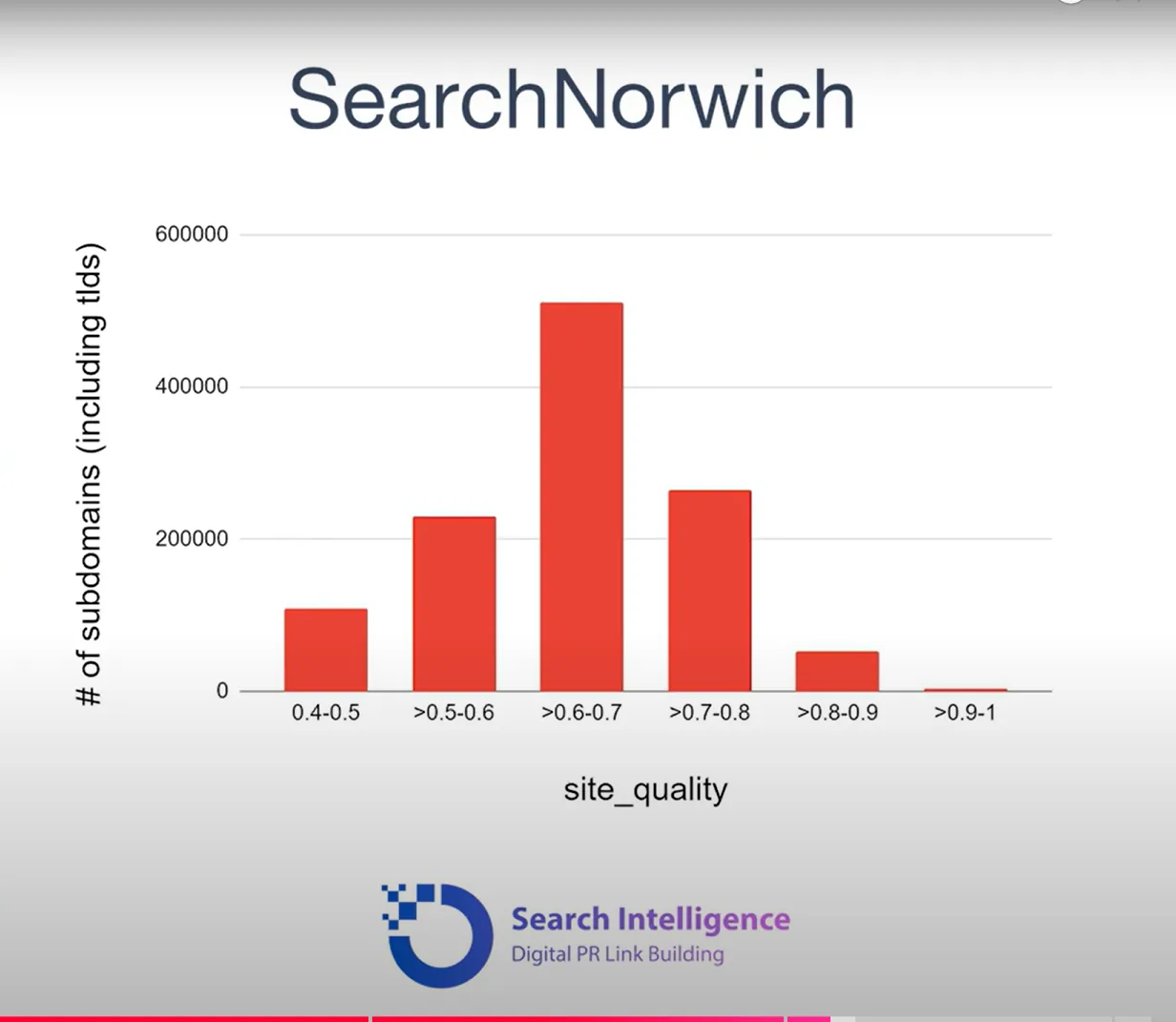
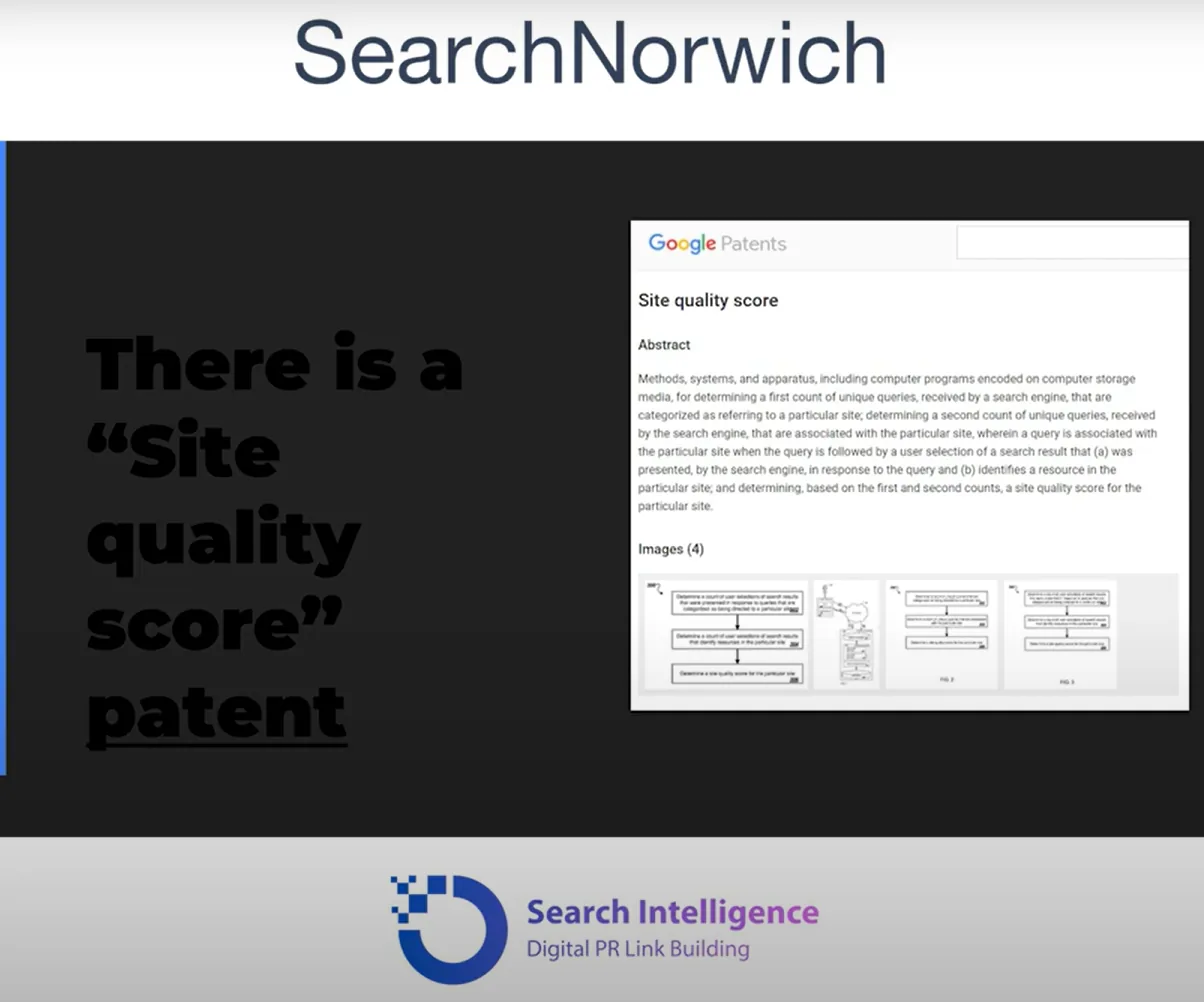
Google uses a Site Quality Score (0 to 1) at the subdomain level to determine rankings and eligibility for features like rich snippets. This score combines brand signals like branded search volume, anchor text mentions, and CTR.
Consensus and Query Classifiers
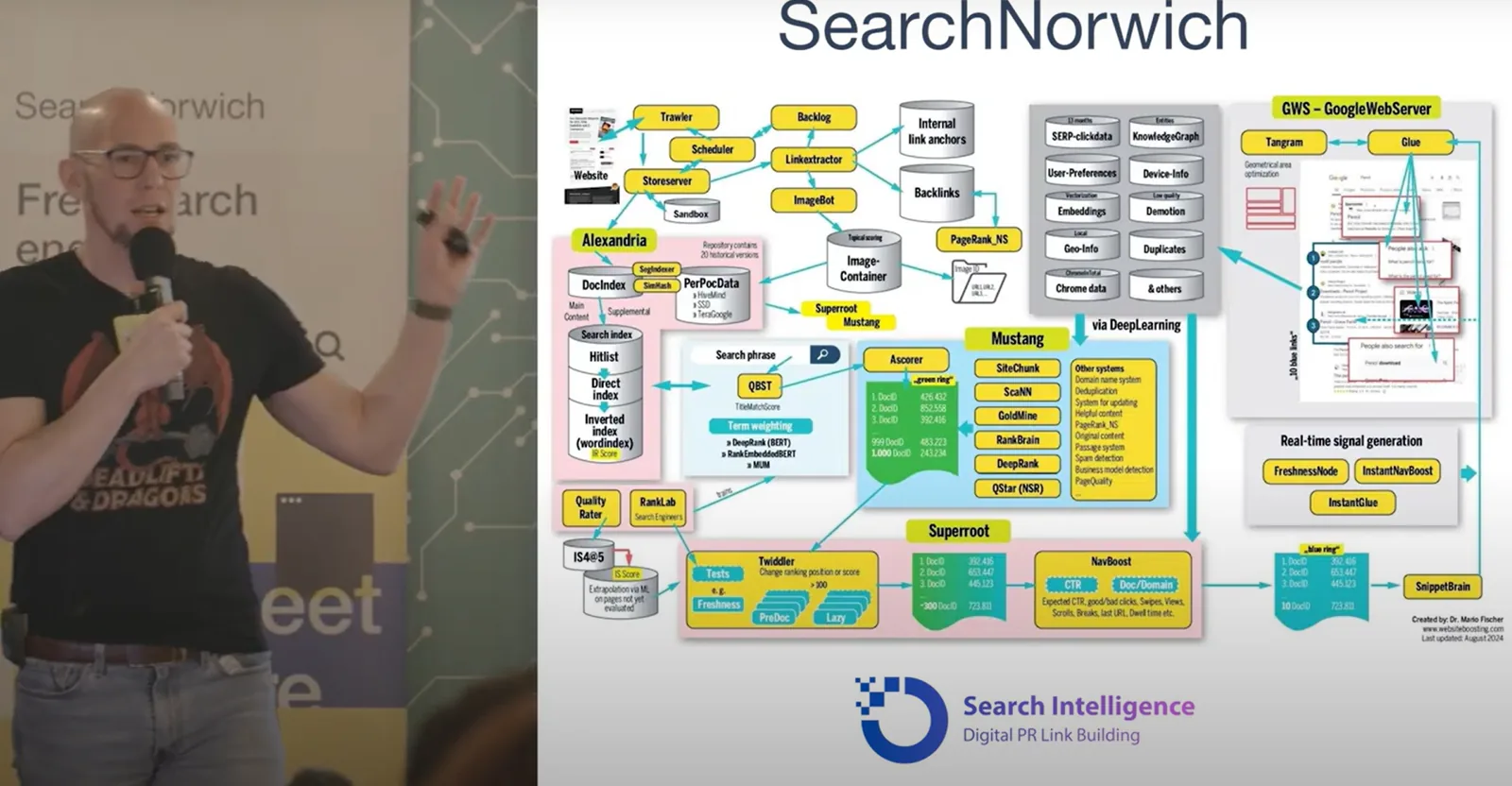
Google calculates a consensus score for content (agree, contradict, or neutral) to determine reliability. Specific query classifiers like “is debunking” or “YM YL” (Your Money, Your Life) trigger stricter algorithms.
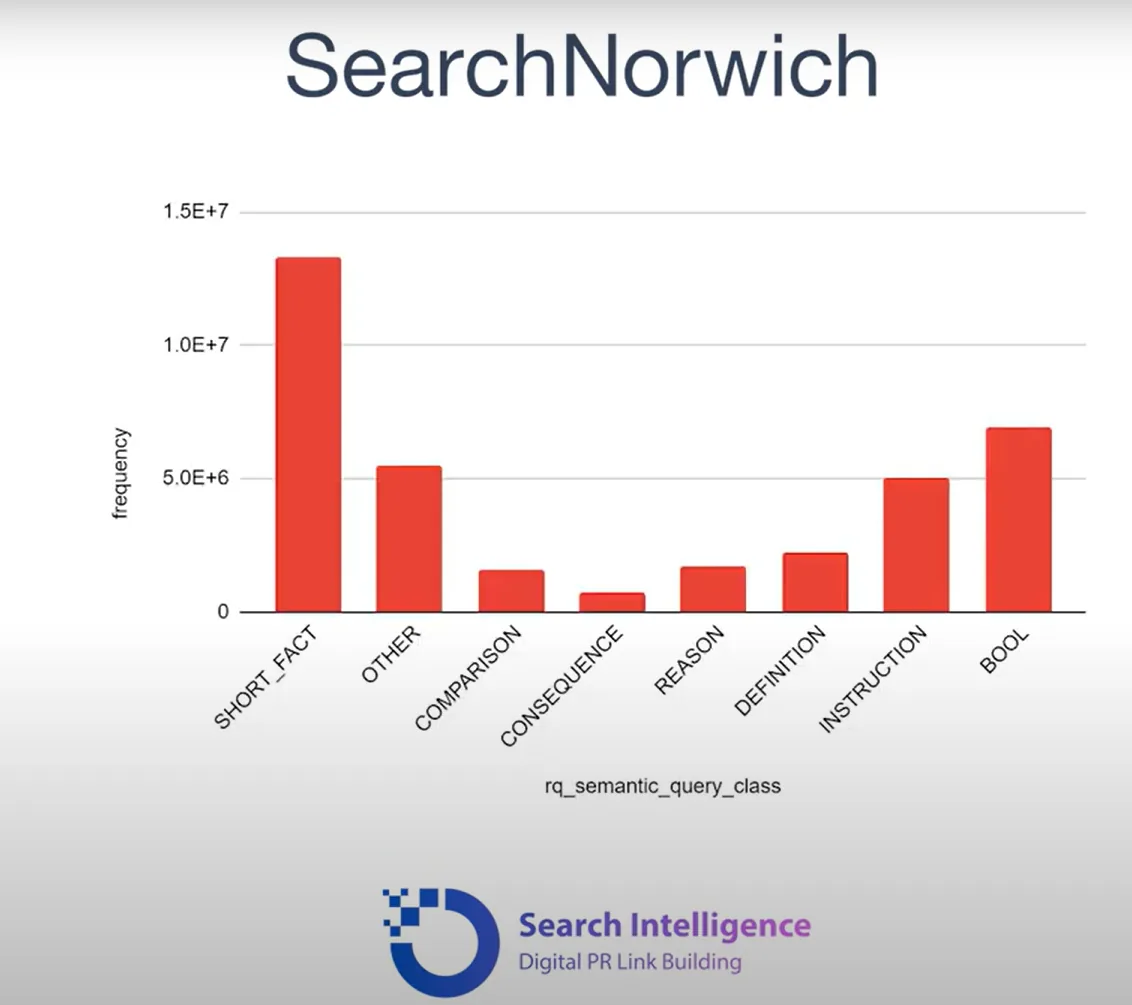
Ranking vs Post-Ranking Adjustments
There’s a distinction between “ranking” and “post-ranking”: Google doesn’t directly use CTR in initial ranking, but post-ranking adjustments consider how users interact with SERPs to refine results.
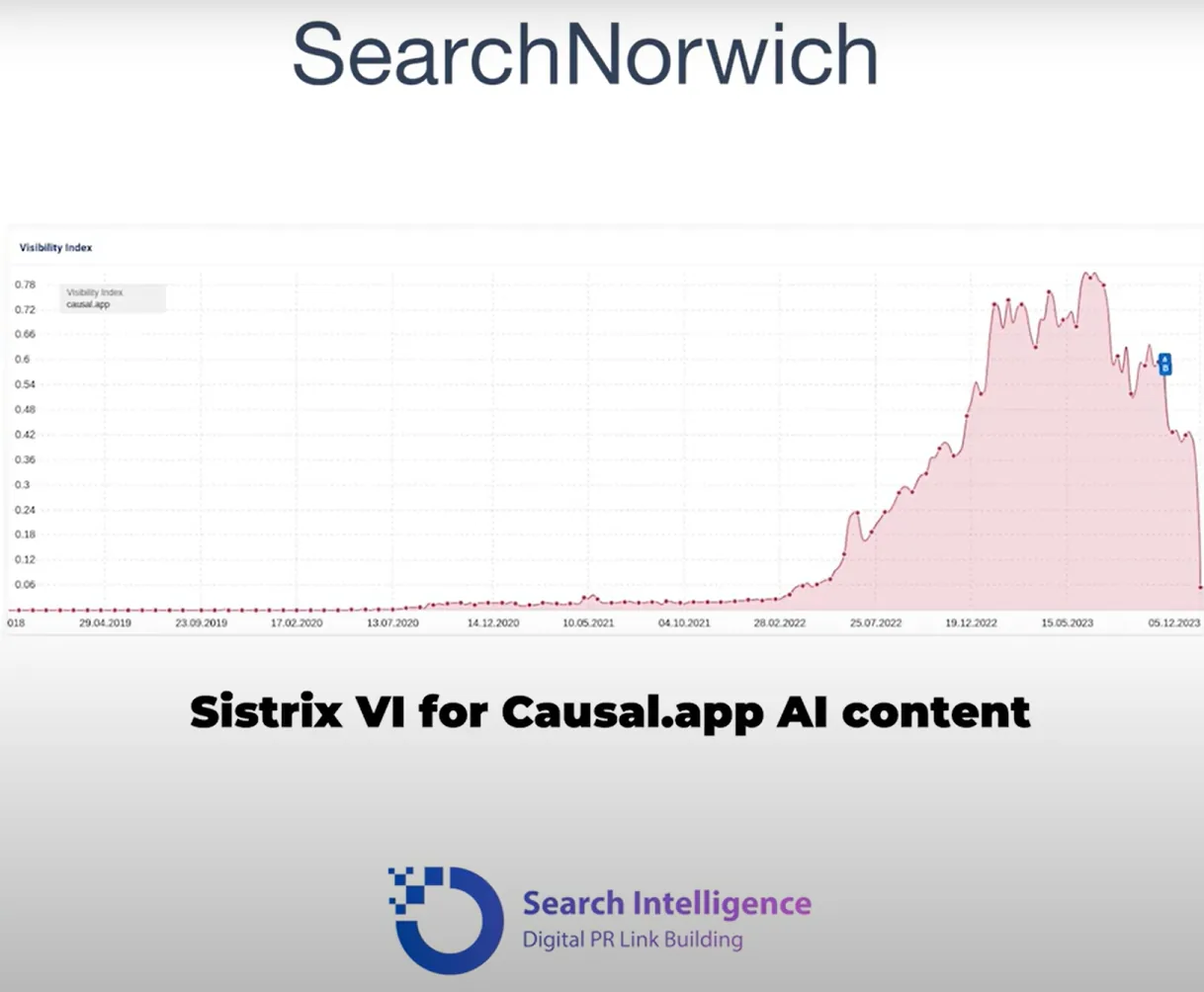
AI Content and the Site Quality Problem
AI content caused Google's site quality prediction model to fail, as AI-generated content often initially scores high. This led to the Helpful Content Update, which now heavily favors authoritative and well-known brands.
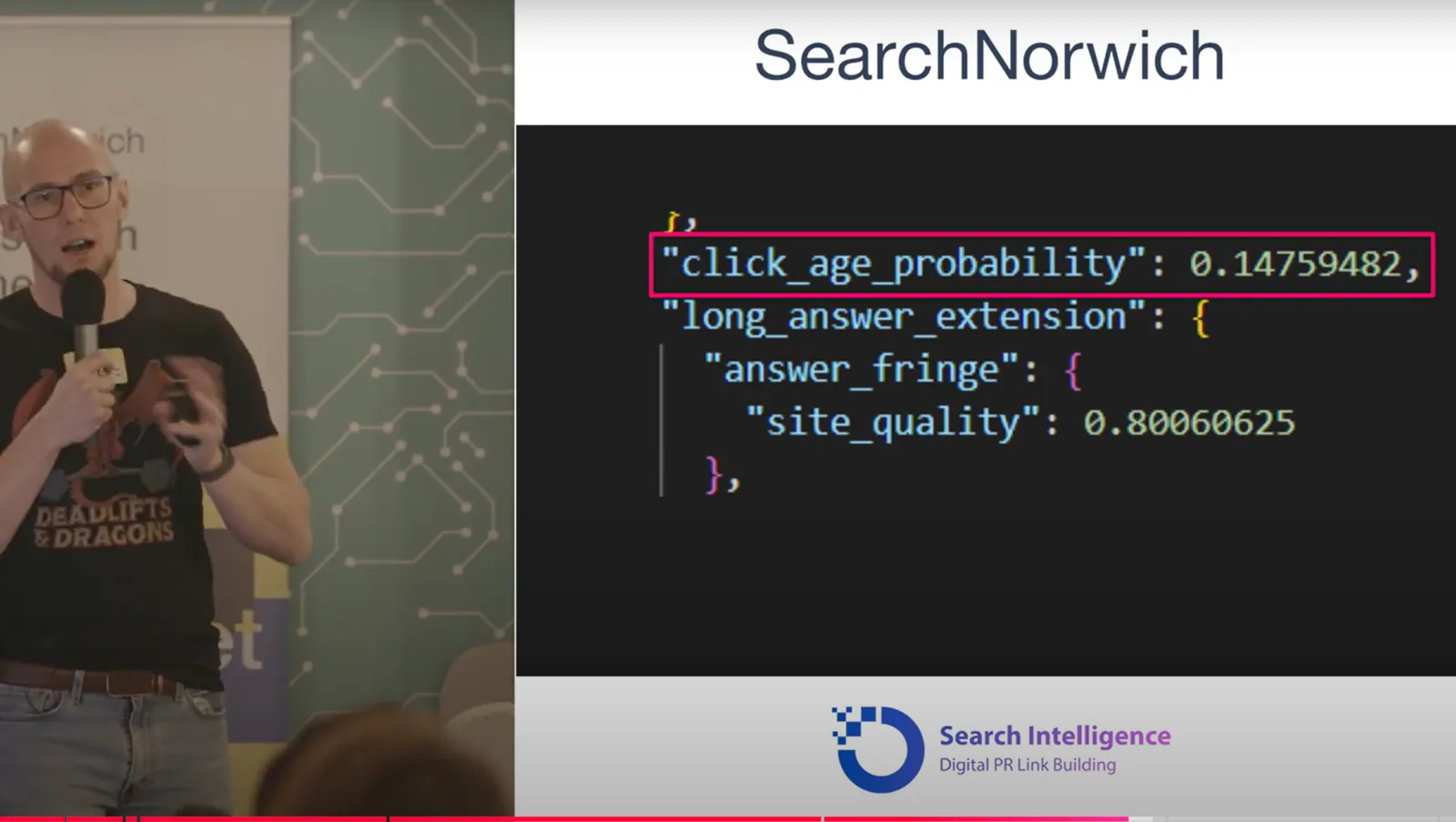
Google Predicts Click Probability
Google has a model that predicts click-through rates for search results, based on factors like title tags. While CTR isn’t a ranking factor, performing better than predicted impacts visibility.
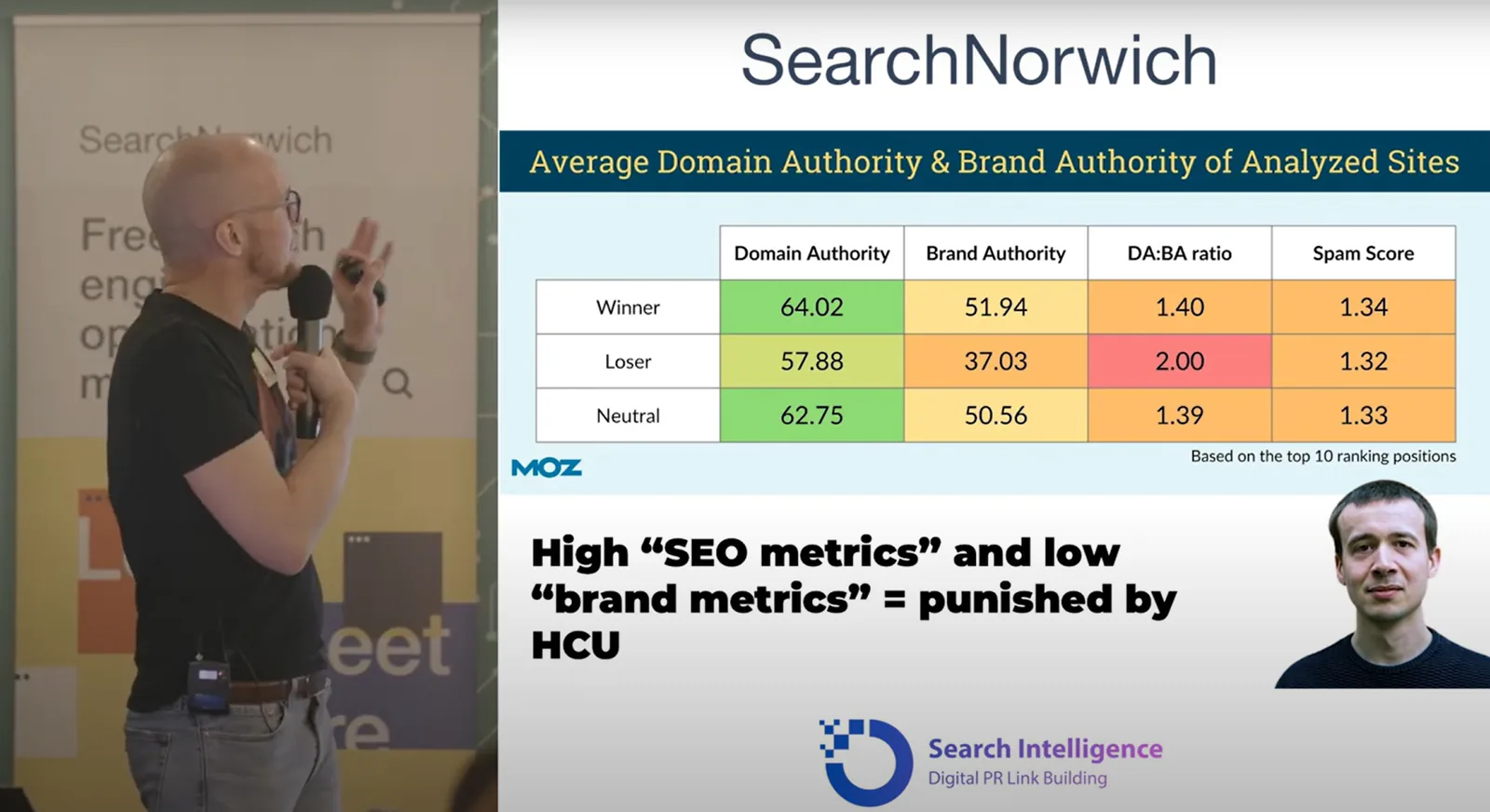
Impact of the Helpful Content Update
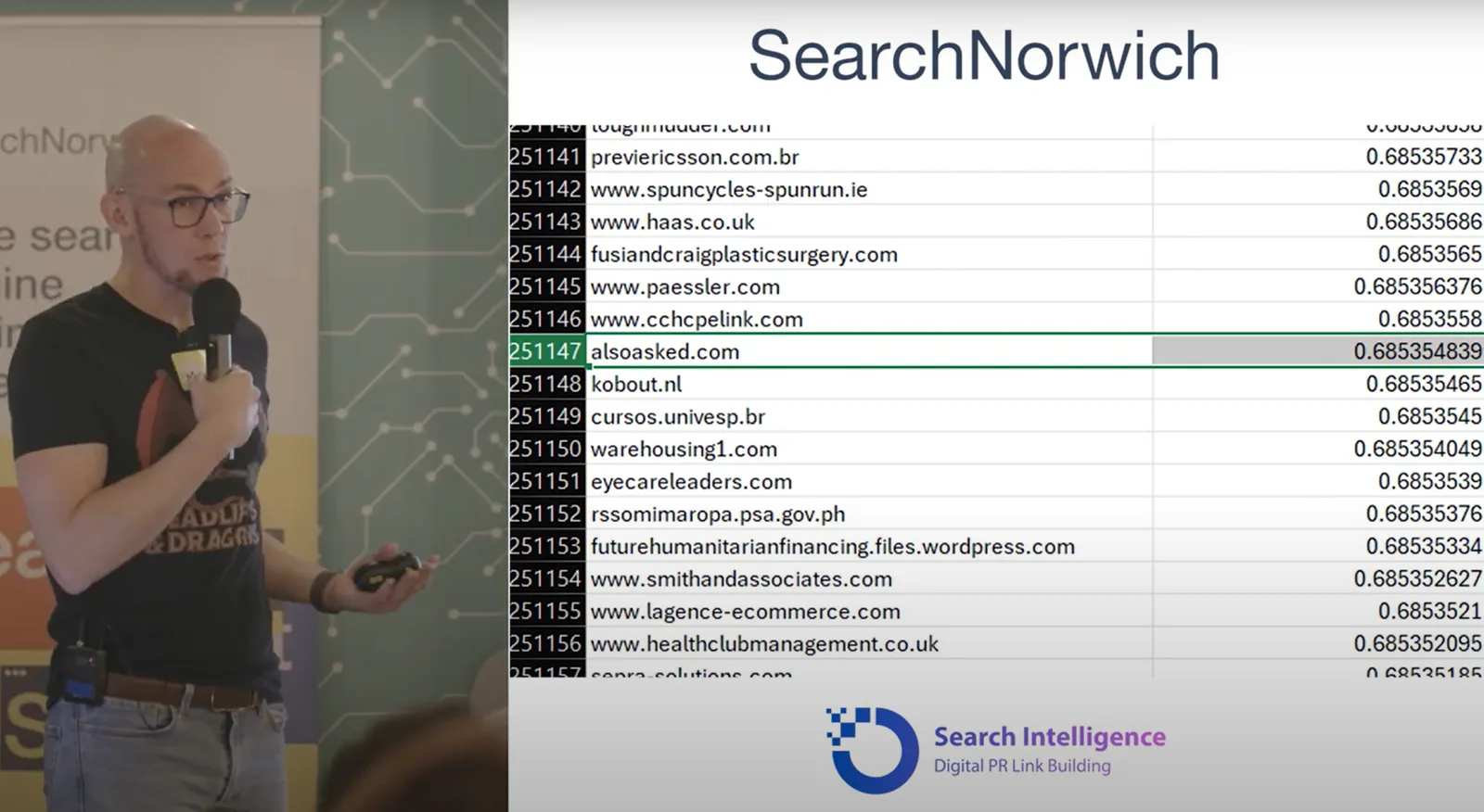
The update penalized sites with high domain authority (SEO-focused) but low brand authority (unrecognized brands), reinforcing Google's focus on trust and brand recognition.
SEO Game Strategy
Like optimizing games such as Theme Park, SEOs should balance “documented” (title tags, content) and “undocumented” (user signals, brand metrics) strategies to align with Google’s ever-changing meta.
These points summarize the core themes around advanced SEO strategies, algorithm behavior, and Google's priorities.